
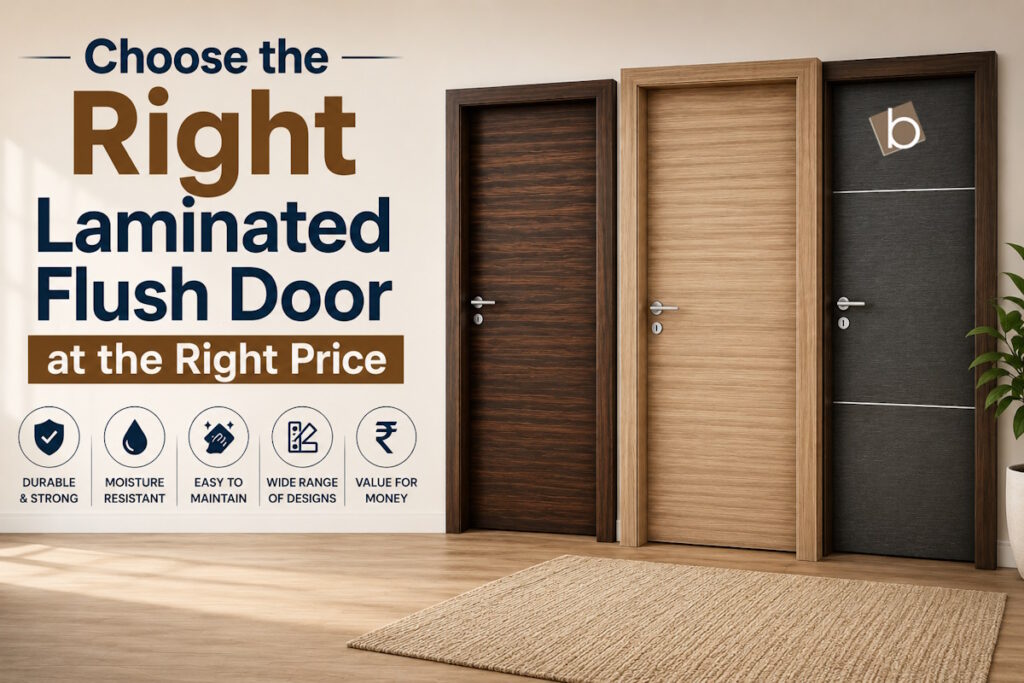
Understanding the Role of Laminated Flush Doors in Modern Interiors
Selecting the right door is a critical decision that influences both the security and the aesthetic appeal of any building.
In the current Indian market, the laminated flush door has emerged as the preferred choice for architects and homeowners alike.
Unlike traditional solid wood doors, these engineered products offer a high degree of dimensional stability, resistance to warping, and a vast array of finishes that complement contemporary design trends.
However, navigating the market can be challenging due to the variations in manufacturing standards and the wide range of available options. When evaluating the laminated flush door price in India, it is essential to look beyond the surface finish. Understanding the internal construction, such as the type of core used and the bonding strength, is vital for long-term satisfaction. Industry experts agree that a door is only as good as the internal materials that support its decorative laminate layer.
Need the latest laminated flush door price in India?
Evaluating Quality: Core Composition and Manufacturing Standards
The structural integrity of a flush door is primarily determined by its core. A high-quality flush door utilizes either a solid timber block-board core or a high-density particle board, which is then reinforced with cross-banding layers. These layers are essential to ensure the door remains flat and resists the seasonal expansion and contraction common in the Indian climate.
The Importance of ISI Standards
When searching for the best doors for home interior, always verify if the product complies with Bureau of Indian Standards (ISI). A door manufactured according to ISI specifications ensures that the adhesive used is of boiling water-resistant grade, preventing delamination in humid environments. Reputable manufacturers follow strict quality control protocols to ensure that every unit meets load-bearing requirements and fire-retardant needs where applicable.
Veneer and Laminate Bonding
The bond between the laminate and the plywood surface is where many low-quality products fail. Using high-pressure pressing technology ensures that the laminate remains firmly attached throughout the door’s lifespan. If you notice gaps or air bubbles on the door surface, it is a clear indicator of poor adhesive application or improper curing during the manufacturing process.
Factors Influencing Laminated Flush Door Price in India
Pricing for flush doors in India can vary significantly based on several technical factors. Understanding these variables will help you avoid overpaying for marketing hype while ensuring you do not compromise on the fundamental quality required for daily usage.
Thickness and Core Density
The thickness of the door, typically ranging from 30mm to 40mm, is a primary driver of cost. Thicker doors offer better sound insulation and sturdier hardware mounting. Furthermore, a solid core made from hardwood provides better durability than tubular or honeycomb cores, albeit at a higher price point.
Laminate Quality and Design
The decorative layer itself accounts for a substantial portion of the cost. High-pressure laminates (HPL) that offer scratch resistance, anti-fingerprint properties, and UV stability are more expensive than standard decorative sheets. Choosing a modern plywood door design that uses premium-grade laminates ensures the door maintains its aesthetic appeal over years of heavy usage.
Confused about door thickness, core quality, or laminate grade?
Practical Considerations for Home and Commercial Applications
Selecting the right door is not just about the upfront cost; it is about matching the product to its specific environment. A bathroom door requires a higher level of moisture resistance compared to a bedroom door, whereas a main entrance door requires reinforced security and greater thickness.
Usage-Based Selection
- Internal Rooms: Prioritize aesthetics and sound dampening. Mid-range laminated doors are typically sufficient.
- Bathrooms and Kitchens: Focus heavily on moisture resistance and BWP (Boiling Water Proof) grades to prevent warping.
- Entrance Doors: Prioritize thickness and core strength, often pairing the flush door with heavy-duty locking mechanisms.
Maintenance and Longevity
Laminated flush doors are favored for their low-maintenance nature. Unlike solid wood, they do not require periodic polishing or varnishing. Simply wiping the surface with a damp cloth is enough to keep them looking new. This long-term cost-benefit is why many of the leading plywood manufacturers in India recommend laminated surfaces for both residential and commercial office spaces.
Ready to buy laminated flush doors at the right price?