
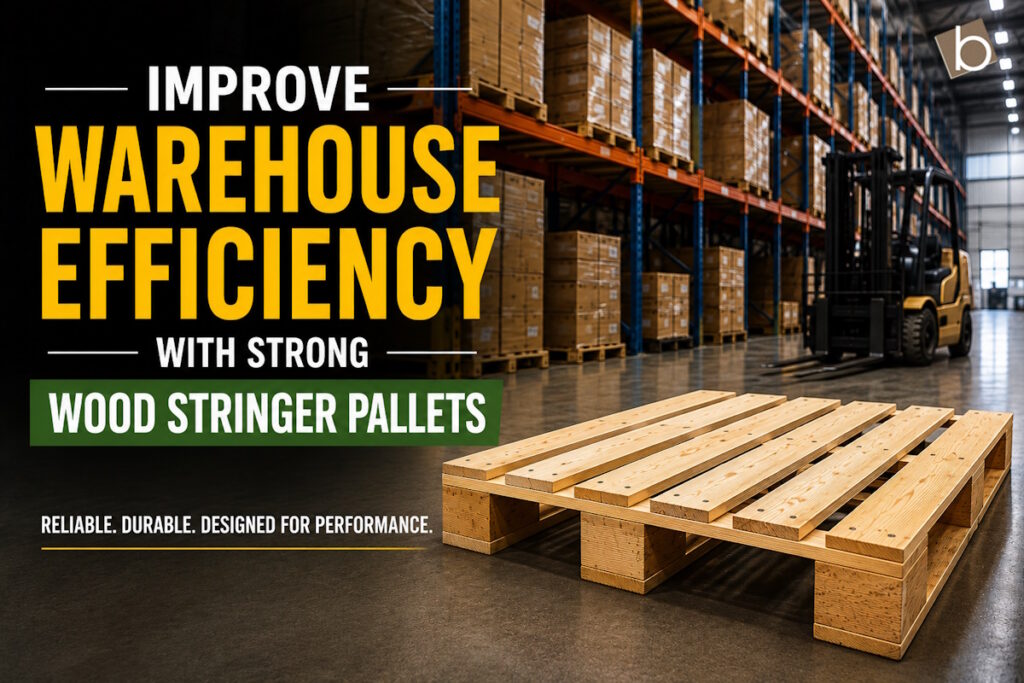
Understanding the Role of the Wood Stringer Pallet in Modern Warehousing
In the fast-paced world of logistics, the efficiency of your storage system is often determined by the simplest components in the supply chain.
The wood stringer pallet serves as the backbone for countless distribution centers across India, providing a reliable, cost-effective platform for material handling.
Unlike block pallets that allow four-way entry, the standard stringer design is optimized for specific racking systems and high-turnover environments where structural integrity and budget-conscious procurement are primary concerns.
Selecting the right pallet involves more than just picking a standard size. It requires an understanding of how the core assembly—specifically the stringers—interacts with forklift tines and warehouse racking. At Plywood India, we emphasize that consistent performance starts with wood quality and precise assembly, ensuring that your warehouse pallets can withstand the rigors of heavy industrial use while maintaining stability during transport.
Why Stringer Design Impacts Efficiency
The structural efficiency of a wood stringer pallet comes from its linear construction. The stringers act as the primary load-bearing members that run the length of the pallet. This design provides superior rigidity when the pallet is placed on racking beams. By properly aligning these stringers with your existing warehouse racking infrastructure, businesses can significantly reduce the risk of board failure and improve the safety of overhead storage.
Want to improve storage efficiency?
Evaluating Different Wooden Pallet Types for Industrial Use
Not all pallets are created equal, and the choice between various wooden pallet types often hinges on the weight of the load and the environmental conditions of the warehouse. Industrial wooden pallets are typically manufactured to meet specific load-bearing requirements, and the stringer design offers a distinct advantage in terms of manufacturing speed and structural predictability.
The Significance of Core Composition and Load-Bearing
A high-quality wood stringer pallet relies on the quality of the timber and the precision of the fasteners used in its assembly. When assessing potential inventory, look for consistency in the thickness of the stringers and the quality of the fasteners. If the stringers are prone to splitting, the entire integrity of the unit is compromised, potentially leading to product damage or workplace accidents during high-lift operations.
Determining Load Capacity Requirements
Before ordering, it is essential to calculate the static and dynamic loads your pallets will face. A stringer pallet designed for light consumer goods will not perform the same way as one designed for dense, heavy machinery parts. We always recommend that buyers evaluate their specific throughput needs, as custom wood pallets can be engineered with reinforced stringers to handle higher load capacities without a disproportionate increase in weight.
Need custom wood pallets for your storage system?
Custom Wood Pallets vs. Standardized Units
While standardized dimensions are common in international shipping, many domestic warehouse operations benefit significantly from custom wood pallets. Tailoring the dimensions of the stringers and deck boards allows a business to maximize the utilization of space within trucks and shipping containers, effectively reducing shipping costs and minimizing wasted void space.
Design Flexibility for Specialized Logistics
Customization is not just about size. It involves selecting the right wood species and treatment options to suit the warehouse environment. For example, in environments where moisture is a concern, specific wood treatments can prevent decay and structural warping. Understanding the distinction between raw timber and engineered wood alternatives—such as those produced by plywood pallets manufacturers—is crucial for businesses seeking a balance between cost and longevity.
Optimizing for Automated Handling Systems
As warehouses move toward increased automation, the dimensional tolerance of your pallet becomes critical. A stringer that is slightly warped or a board that is out of alignment can cause significant downtime in automated sorters and conveyor systems. Investing in high-precision, factory-made pallets ensures that your logistics infrastructure remains fluid and reliable.
Best Practices for Maintaining Pallet Longevity
The lifespan of a wood stringer pallet is rarely determined by the wood itself, but rather by how the pallet is treated during daily operations. Excessive forklift impact, overloading, and exposure to fluctuating environmental conditions are the primary drivers of premature pallet failure. Implementing a regular inspection protocol is the most effective way to extend the service life of your material handling assets.
Common Mistakes to Avoid
One of the most frequent errors in warehouse management is using a pallet that is insufficiently rated for the specific load being stored. Overloading leads to bowing in the stringers, which creates instability in pallet racks. Another mistake is neglecting the impact of fastener fatigue; when nails start to pull away from the stringer due to repetitive stress, the structural rigidity of the pallet drops significantly.
Implementing an Inspection Routine
Educate your warehouse staff on the signs of a failing pallet. Look for split stringers, loose or protruding nails, and signs of rot or insect infestation. By identifying these issues early, you can often repair or retire pallets before they cause operational disruptions. Maintaining a rigorous standard for your wooden pallet inventory is a direct investment in warehouse safety and efficiency.
Ready to upgrade your pallet inventory?